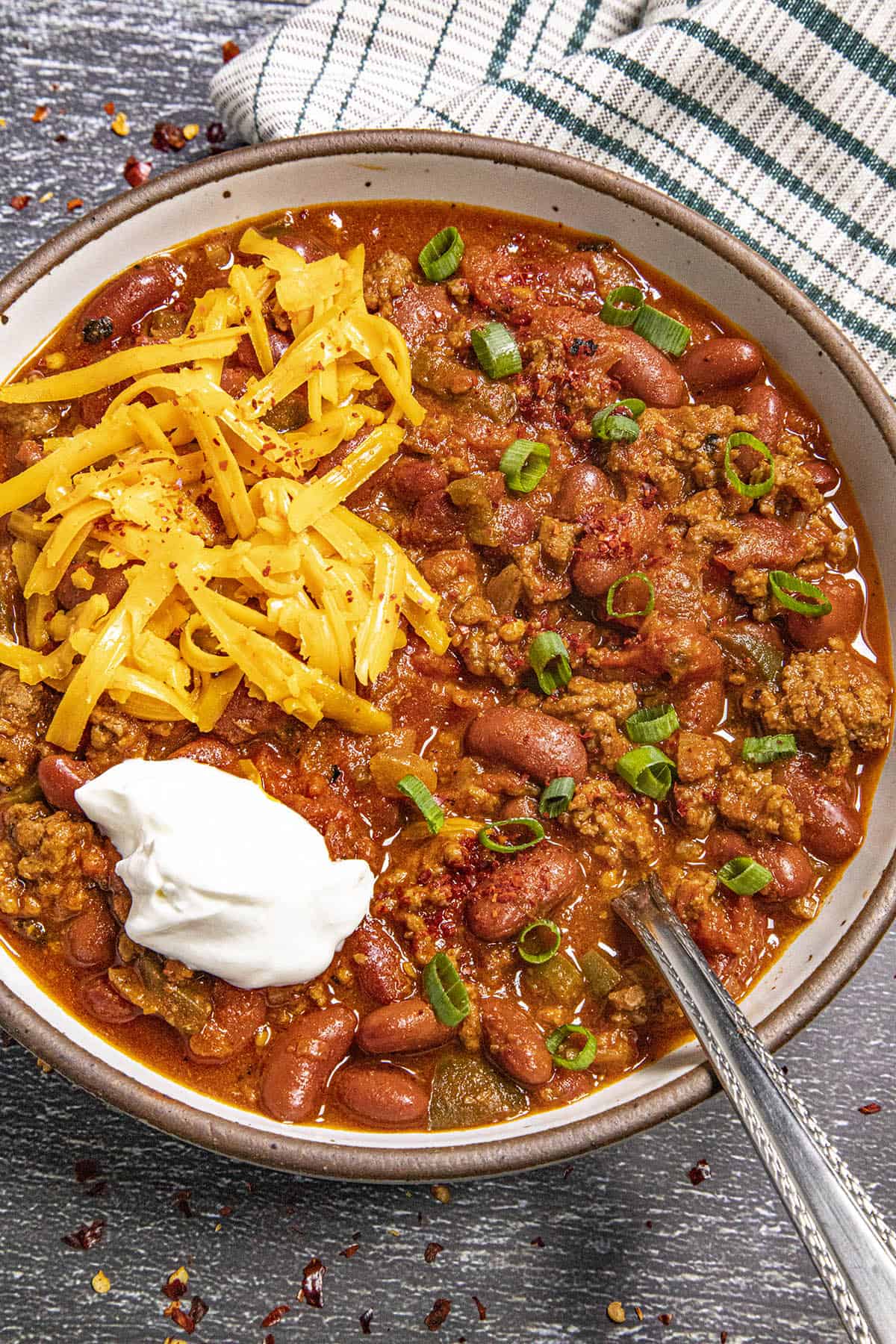
How To Cook Beef
Introduction
Beef, a culinary cornerstone across cultures, enjoys widespread popularity for its rich flavor, versatility, and nutritional value. From simple weeknight dinners to elegant celebratory meals, the ability to expertly cook beef unlocks a world of gastronomic possibilities. Whether searing a steak, braising a roast, or grilling burgers, understanding the fundamentals ensures consistently delicious results.
Ingredients
The essential ingredient is, of course, beef. The specific cut dictates the cooking method. For searing, ribeye, New York strip, or tenderloin are excellent choices. For braising, chuck roast or brisket are ideal. For grilling burgers, ground beef with a fat content of 80/20 is recommended. Beyond the beef itself, essential ingredients typically include salt, pepper, and cooking oil (such as olive oil or vegetable oil). Optional additions might include garlic, herbs (such as thyme or rosemary), and sauces (such as Worcestershire or soy sauce) for marinade or seasoning.
Preparation Steps
Proper preparation is critical for successful beef cookery. Begin by patting the beef dry with paper towels. This helps achieve a better sear. Trim excess fat, if desired. Season generously with salt and pepper. For thicker cuts, allow the seasoning to penetrate for at least 30 minutes, or ideally, overnight in the refrigerator. If marinating, ensure the beef is fully submerged in the marinade for at least a few hours, or up to 24 hours for optimal flavor infusion. Before cooking, allow the beef to come to room temperature for about 30 minutes to promote even cooking.
Cooking Instructions
The best method for “how to cook beef” depends on the cut:
Searing: Heat a heavy-bottomed skillet (cast iron is ideal) over high heat until smoking hot. Add a small amount of oil. Sear the beef for 2-3 minutes per side for medium-rare, adjusting time for desired doneness. Use a meat thermometer to ensure accuracy: 125-130F (52-54C) for rare, 130-140F (54-60C) for medium-rare, 140-150F (60-65C) for medium, 150-160F (65-71C) for medium-well, and 160F+ (71C+) for well-done. Let rest for 5-10 minutes before slicing.
Braising: Sear the beef on all sides in a Dutch oven or heavy pot. Remove the beef and saut aromatics (such as onions, carrots, and celery). Deglaze the pot with wine or broth. Return the beef to the pot, add enough liquid to partially submerge it, and bring to a simmer. Cover and cook in a low oven (around 325F/160C) for 2-4 hours, or until the beef is fork-tender.
Grilling: Preheat the grill to medium-high heat. Grill the beef for 3-5 minutes per side for medium-rare, adjusting time for desired doneness. Use a meat thermometer for accuracy. Let rest for 5-10 minutes before slicing.
Roasting: Preheat the oven to 325F (160C). Place the beef on a roasting rack in a roasting pan. Roast for approximately 15-20 minutes per pound for medium-rare, adjusting time for desired doneness. Use a meat thermometer for accuracy. Let rest for 15-20 minutes before slicing.
Serving Suggestions
Seared steak pairs well with roasted vegetables (such as asparagus or Brussels sprouts), mashed potatoes, or a simple salad. Braised beef is excellent served over mashed potatoes, polenta, or noodles, accompanied by the braising liquid. Grilled burgers are a classic choice for picnics and barbecues, served on buns with various toppings. Roasted beef makes a fantastic centerpiece for a holiday meal, served with gravy, roasted vegetables, and Yorkshire pudding. Consider slicing the beef thinly against the grain for optimal tenderness.
Tips and Common Mistakes
Avoid overcrowding the pan when searing, as this lowers the temperature and prevents proper browning. Ensure the pan is hot before adding the beef. Do not overcook the beef; use a meat thermometer to monitor the internal temperature. Allow the beef to rest after cooking to allow the juices to redistribute, resulting in a more tender and flavorful product. A common mistake is not seasoning beef adequately; be generous with salt and pepper. Letting the beef come to room temperature before cooking promotes more even cooking. Avoid cutting into the beef immediately after cooking; allowing it to rest is crucial.
Explore More Cooking Guides
Mastering “how to cook beef” opens a world of culinary possibilities, from satisfying everyday meals to impressive dishes for special occasions. The rich flavors and versatility of beef make it a rewarding ingredient to explore, adaptable to countless recipes and personal preferences. Embrace the art of beef cookery, experiment with different techniques, and discover your favorite preparations. Visit foodrecipestory.com for more detailed cooking guides and inspiration to elevate your culinary skills.