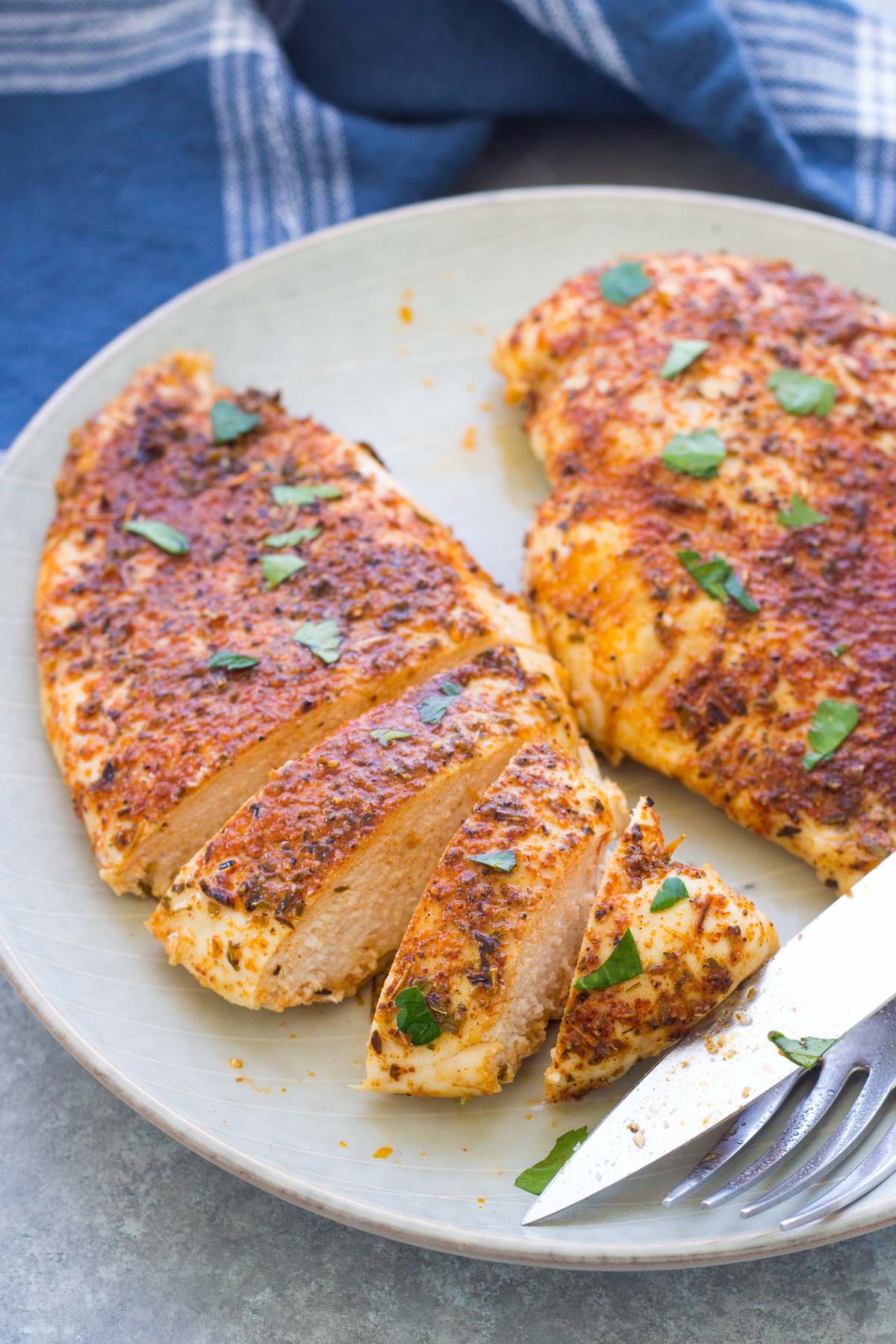
Easy Chicken Breast Recipes
Introduction
Chicken breast, prized for its lean protein and mild flavor, has become a staple in kitchens across the United States and around the world. Its quick cooking time and versatility make it a go‑to choice for busy families, health‑focused diners, and culinary explorers alike. From family‑style weeknight meals to elegant dinner‑party plates, easy chicken breast recipes offer a reliable foundation that can be dressed up with countless seasonings, sauces, and side dishes.
Ingredients
Core ingredients include boneless, skinless chicken breasts, a source of fat such as olive oil or butter, and a blend of herbs, spices, or marinades. Typical flavor bases feature salt, freshly ground black pepper, garlic, lemon zest, paprika, and dried herbs like thyme or oregano. Substitutions are plentiful: dairy‑free butter can be swapped for coconut oil, fresh herbs may replace dried versions, and low‑sodium soy sauce can stand in for salt in Asian‑inspired variations.
Preparation Steps
Begin by rinsing chicken breasts under cold water and patting them dry with paper towels. For uniform cooking, gently pound each breast to an even thickness of about ½‑inch (1.3 cm) using a meat mallet or the flat side of a heavy skillet. Season the meat on both sides with a balanced pinch of salt and pepper, then apply the chosen aromatics or marinate for at least 15 minutes—longer marination (up to 4 hours) deepens flavor without compromising texture. When a quick preparation is required, a light coating of oil and a sprinkle of seasoning can be applied immediately before cooking.
Cooking Instructions
Three reliable techniques dominate easy chicken breast preparation:
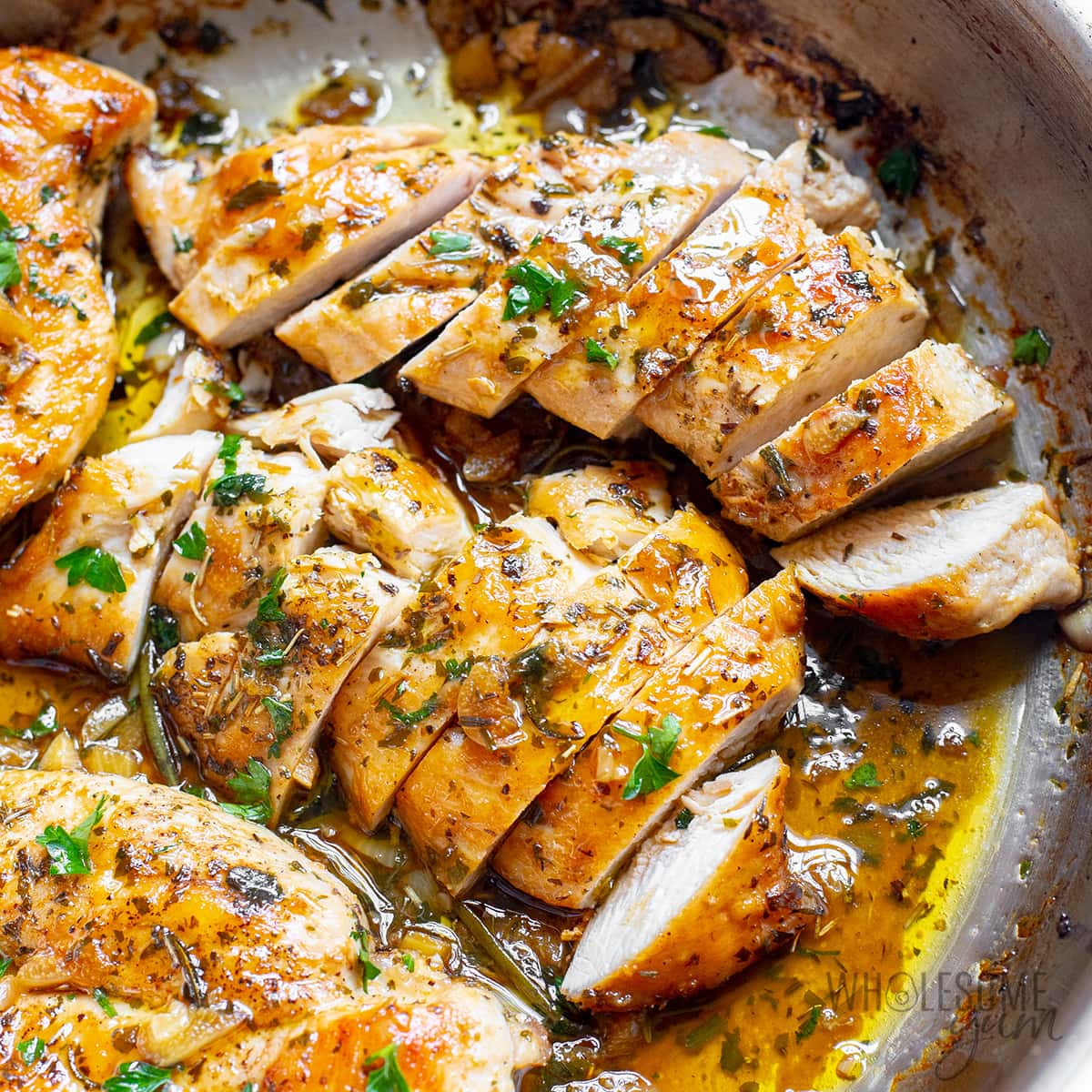
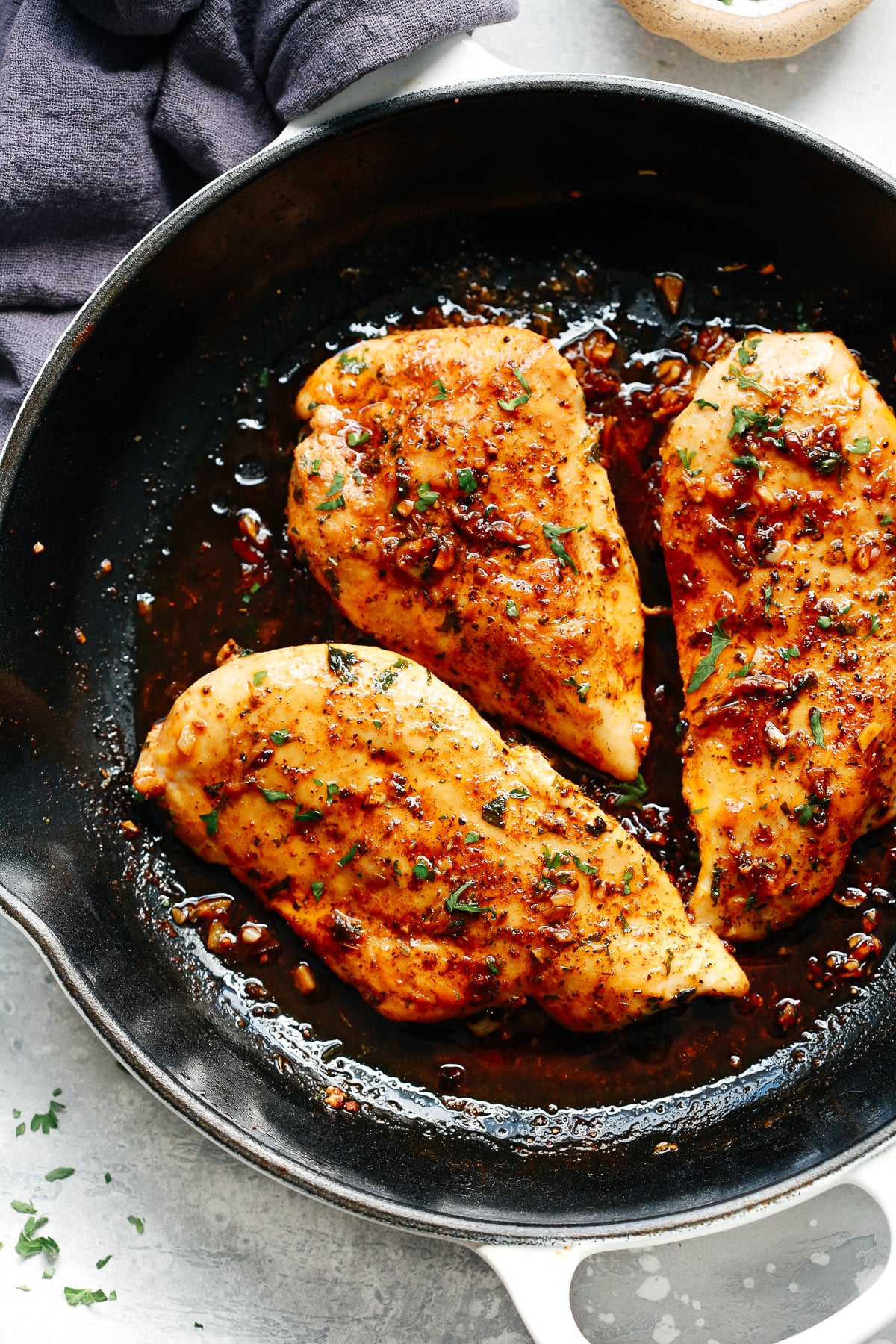
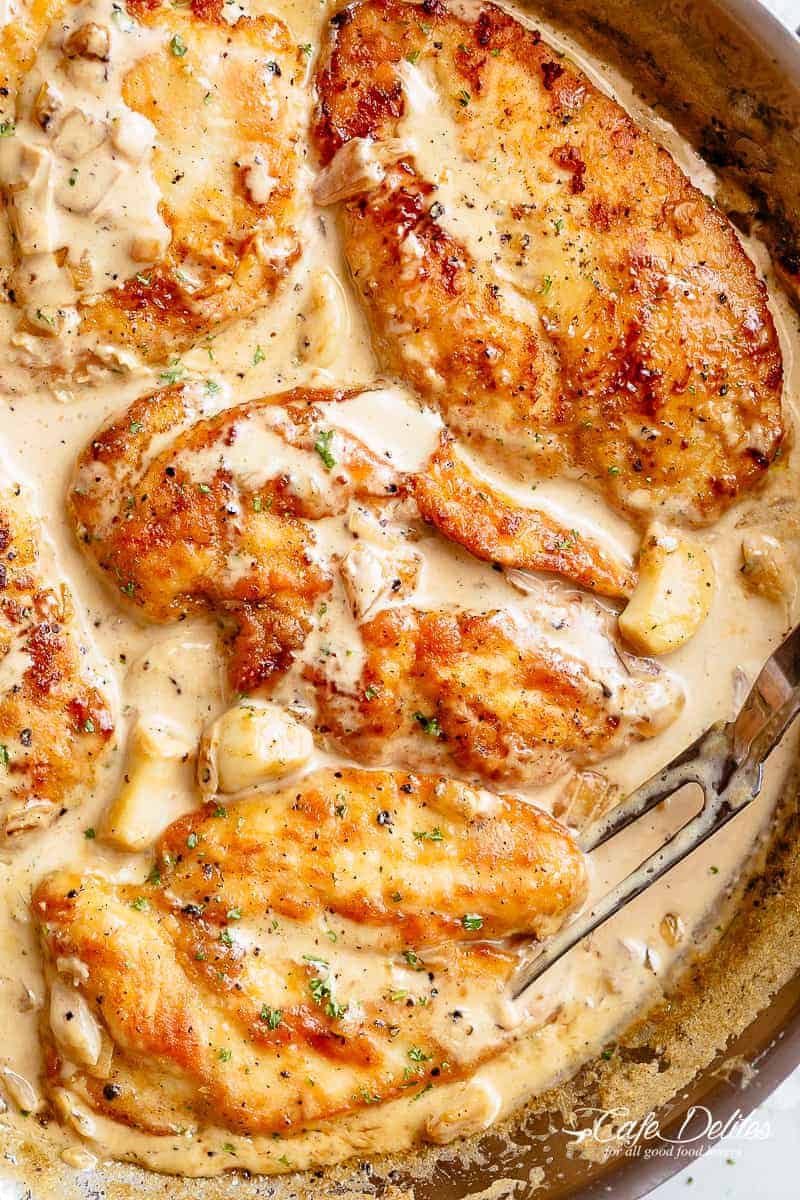
- Pan‑Searing: Heat a skillet over medium‑high heat, add 1–2 tablespoons of oil, and lay the breasts in a single layer. Cook 4–5 minutes per side, or until the internal temperature reaches 165 °F (74 °C). A brief deglaze with wine or broth creates a quick pan sauce.
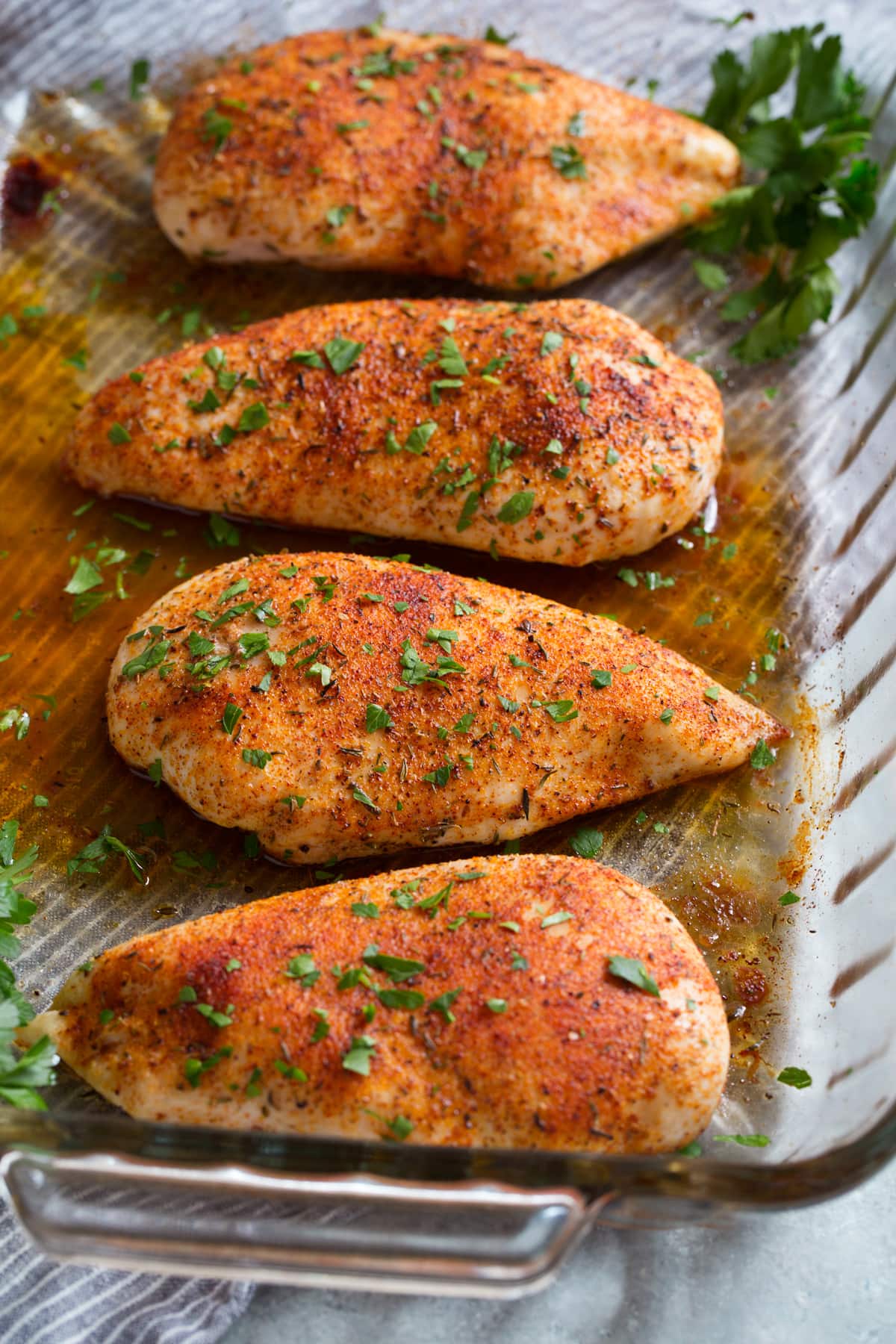
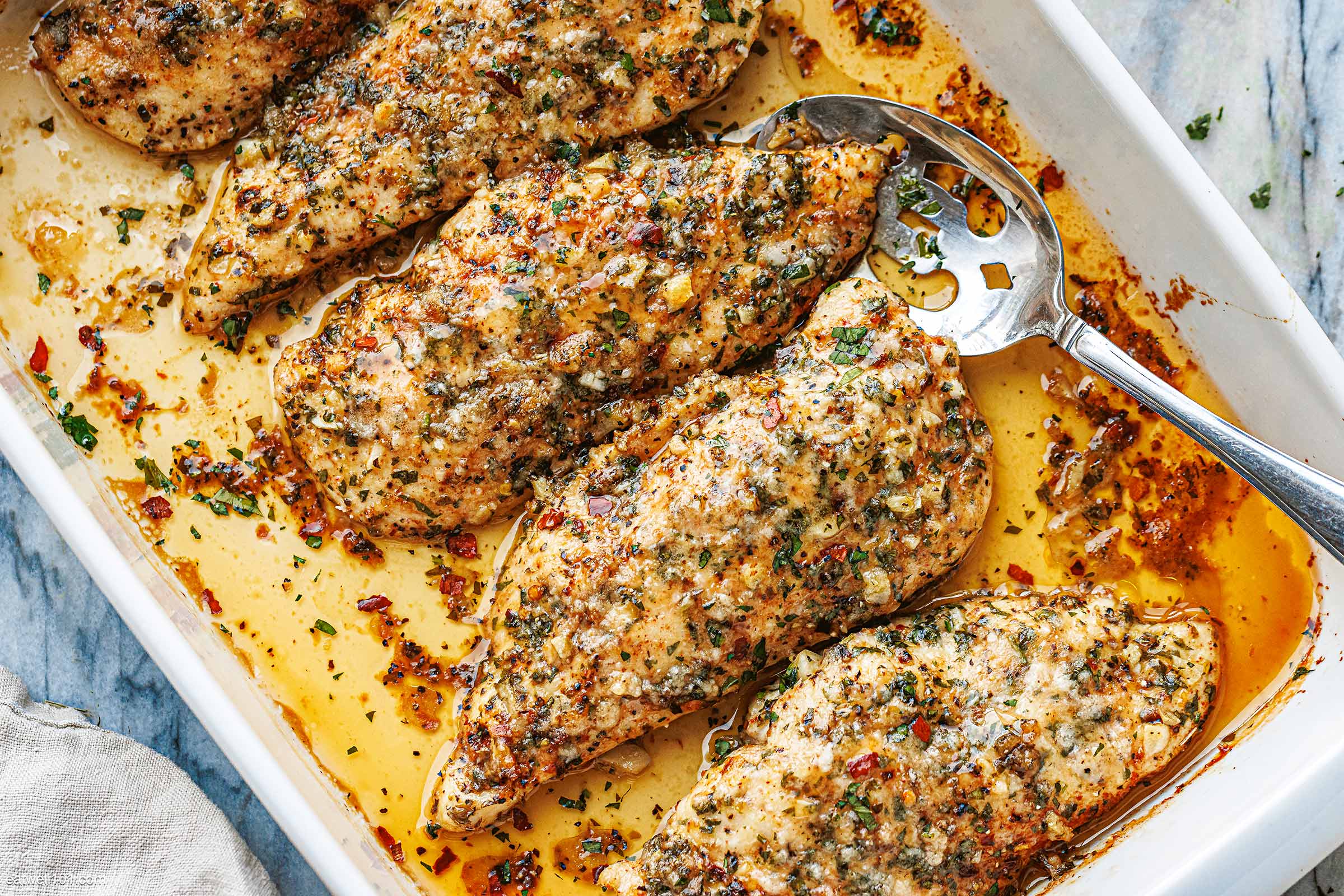
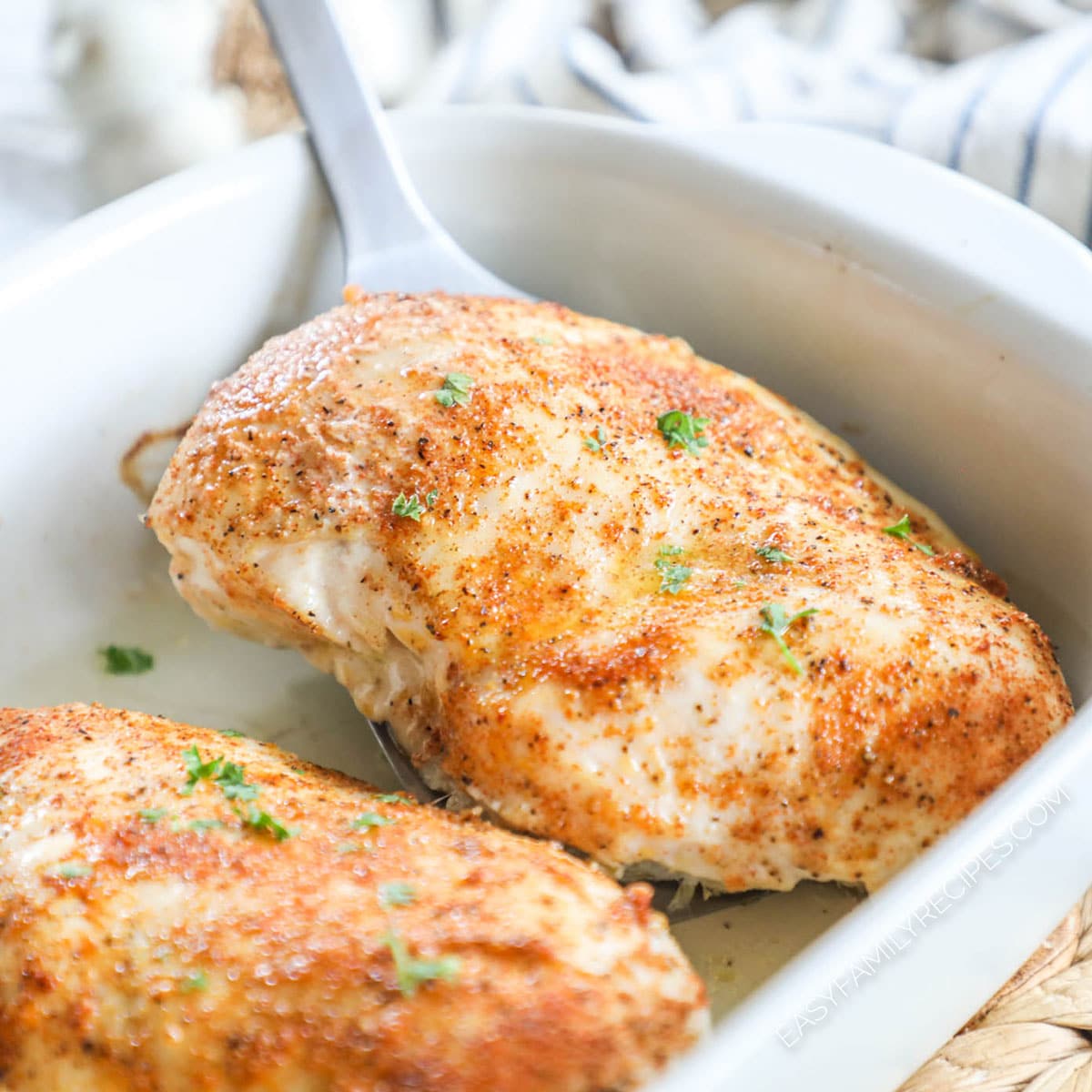
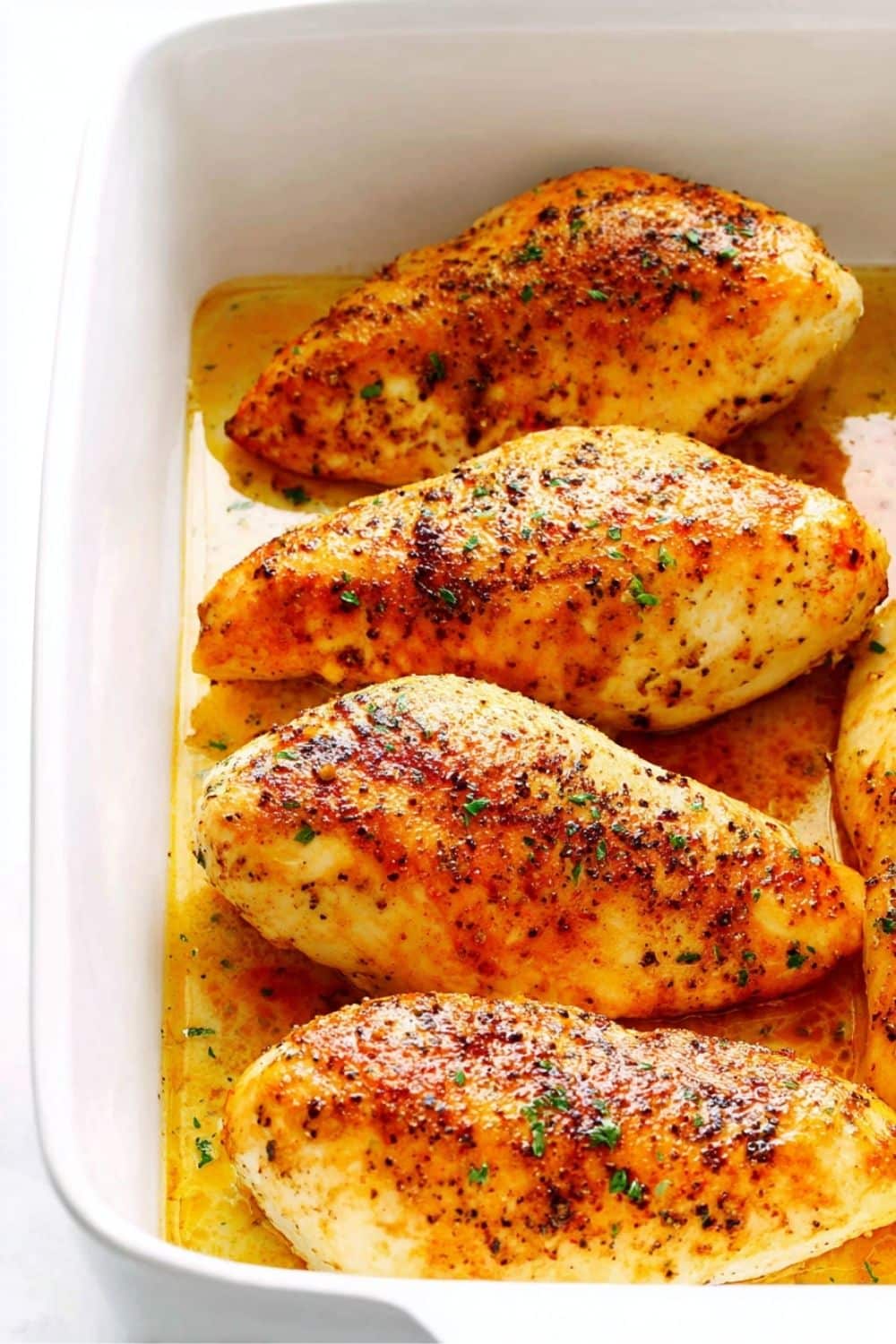
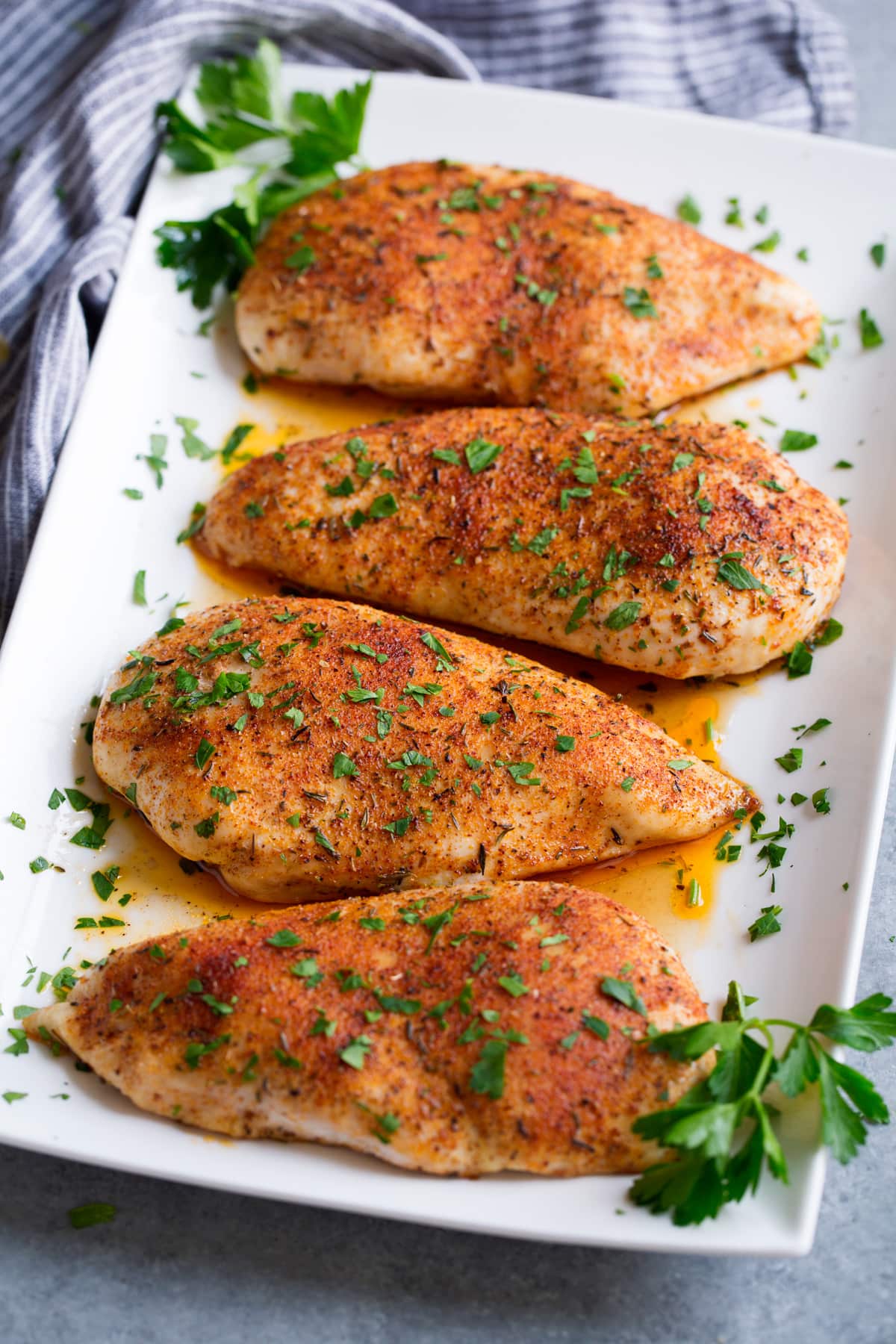
- Baking: Preheat an oven to 375 °F (190 °C). Arrange seasoned breasts on a greased baking sheet, optionally topping with sliced lemons or herbs. Bake for 20–25 minutes, checking for the 165 °F (74 °C) mark. For extra moisture, cover the pan with foil for the first half of the bake.
- Grilling: Preheat a grill to medium‑high heat (about 400 °F/204 °C). Lightly oil the grates, then grill each breast for 6–7 minutes per side, rotating once for even grill marks. A quick brush of BBQ sauce or teriyaki glaze in the final minutes adds caramelized flavor.
Alternative methods include poaching in simmering broth for 12–15 minutes or slow‑cooking with vegetables on low for 4–6 hours, each yielding tender, juicy results.
Serving Suggestions
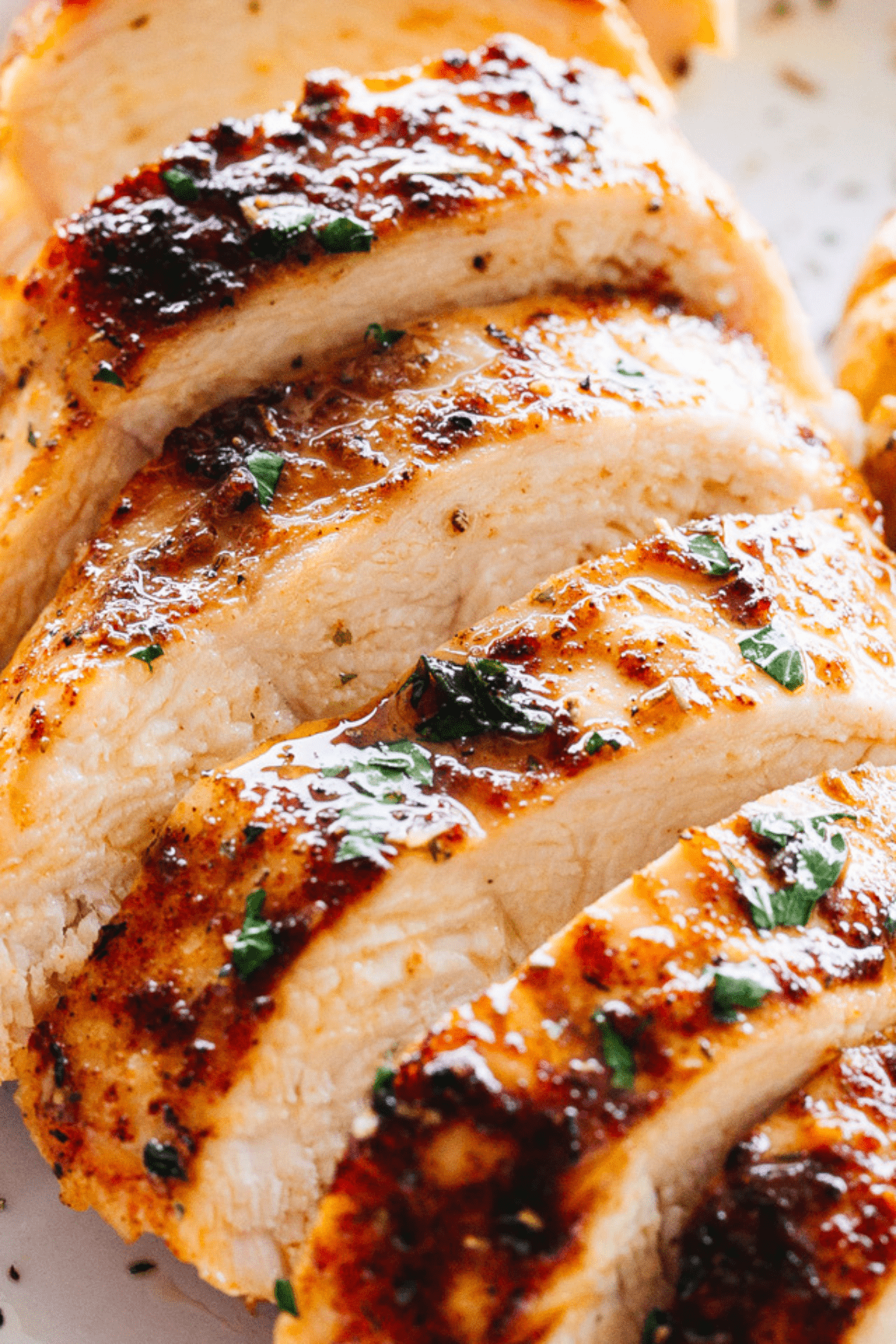
Slice cooked breasts across the grain for salads, wraps, or tacos, or serve whole alongside classic accompaniments such as roasted vegetables, quinoa pilaf, or buttery mashed potatoes. A drizzle of fresh lemon juice, a sprinkle of chopped parsley, or a dollop of pesto brightens the plate. For themed meals, pair a honey‑mustard glaze with roasted carrots, or match a Mediterranean herb rub with a cucumber‑tomato salad and feta crumbles.
Tips and Common Mistakes
Optimal flavor and texture arise from a few key practices:
- Maintain even thickness to prevent dry edges and undercooked centers.
- Use a calibrated instant‑read thermometer; removing the chicken at 160 °F (71 °C) and allowing it to rest yields a final temperature of 165 °F (74 °C) without overcooking.
- Rest the meat for 5 minutes after cooking to let juices redistribute.
- Brine the breasts in a solution of ¼ cup salt to 4 cups water for 30 minutes to increase moisture retention.
Common pitfalls include cooking from frozen, which extends cooking time and risks uneven doneness; overcrowding the pan, which creates steam and prevents a golden crust; and using excessively high heat, which can scorch the exterior while leaving the interior raw. Addressing these issues ensures consistently succulent chicken breast.
Explore More Cooking Guides
Mastering easy chicken breast recipes opens a doorway to countless culinary possibilities—from quick weeknight dinners to festive gatherings. The simplicity of the ingredient, combined with adaptable seasonings and cooking methods, highlights the dish’s cultural relevance and practical appeal. By experimenting with herbs, sauces, and side pairings, each meal can reflect personal taste and occasion. An invitation stands to bring these recipes to the home kitchen, savor the results, and continue the culinary journey with additional guides available at nordicrecipebox.com.