Easy Chili Recipe

Introduction
Easy chili has become a staple in kitchens across the United States and beyond, celebrated for its comforting heat, hearty texture, and flexibility. Originating from the Southwest, the dish gained popularity during the Great Depression as a budget‑friendly way to stretch inexpensive proteins and beans. Today, it appears on family dinner tables, sports‑night menus, and even upscale restaurant specials, proving that simple ingredients can deliver bold, satisfying flavors.
Ingredients
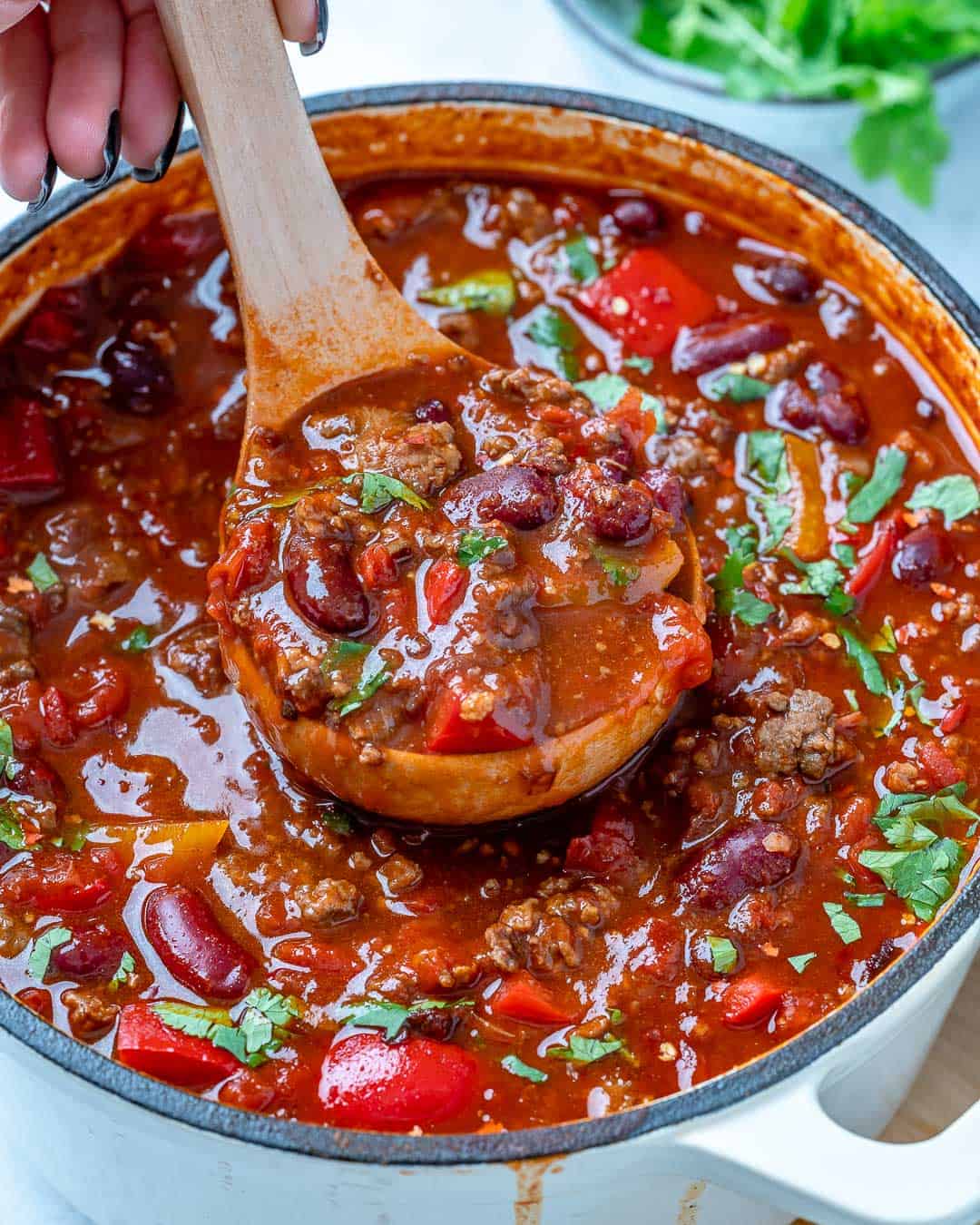
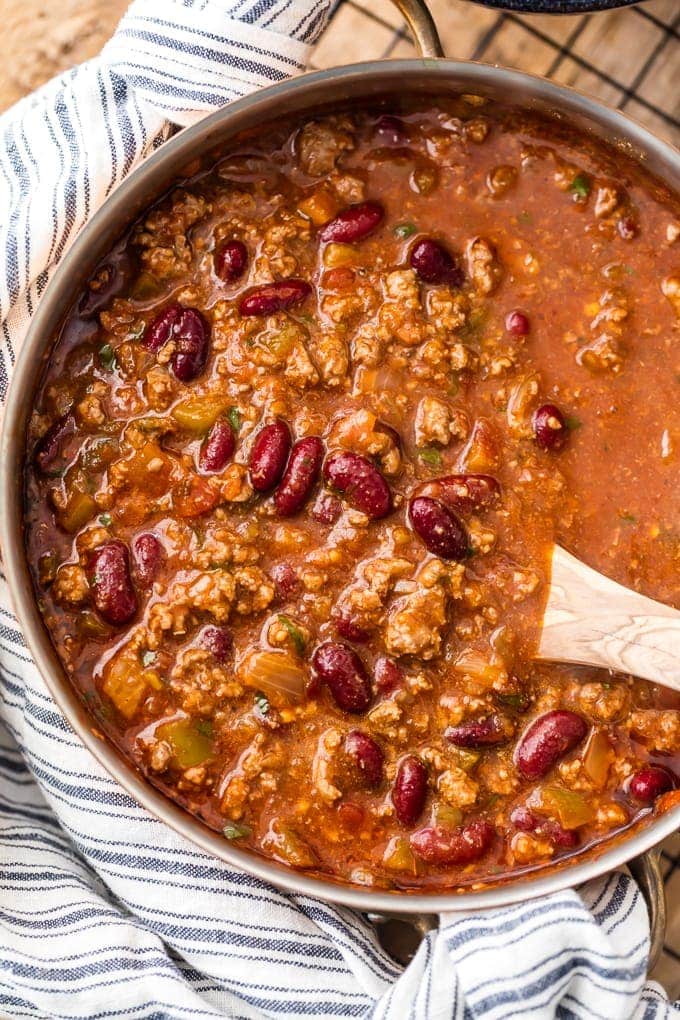
Core components include ground beef (or an alternative protein such as ground turkey, chicken, or plant‑based mince), canned kidney beans, diced tomatoes, onion, garlic, and a blend of chili powder, cumin, and smoked paprika. Optional additions enhance depth: bell peppers, corn kernels, tomato paste, and a dash of cocoa powder. Substitutions are straightforward—swap beans for black or pinto varieties, use fire‑roasted tomatoes for extra smokiness, or replace meat with lentils for a vegetarian version.
Preparation Steps
Begin by draining and rinsing the beans to reduce excess sodium and improve texture. Dice the onion and bell pepper uniformly, allowing even caramelization. Mince the garlic and set aside. If using fresh meat, pat it dry with paper towels; this promotes browning rather than steaming. Toast the dry spice blend in a small skillet over low heat for 30 seconds, stirring constantly, to awaken aromatic oils—a step that dramatically lifts the final flavor profile.
Cooking Instructions
1. Heat a large, heavy‑bottomed pot over medium‑high heat and add a tablespoon of oil. Once shimmering, introduce the ground meat, breaking it apart with a wooden spoon. Cook for 5‑7 minutes, until the meat releases its juices and begins to brown.
2. Reduce the heat to medium and add the onion, bell pepper, and garlic. Sauté for 3‑4 minutes until softened and fragrant.
3. Stir in the toasted spice blend, ensuring the vegetables are coated; cook for another minute to prevent raw spice taste.
4. Add the diced tomatoes, tomato paste, and beans, then pour in enough water or low‑sodium broth to reach a gentle simmer—approximately 2 cups for a thick chili, more for a soupier consistency.
5. Bring the mixture to a boil, then lower the heat to maintain a steady simmer. Cover partially and let cook for 30‑45 minutes, stirring occasionally to prevent sticking. Adjust the heat as needed to keep a gentle bubble; a temperature of about 180‑190°F (82‑88°C) is ideal for flavor melding without over‑reduction.
6. In the final 10 minutes, taste and season with salt, pepper, or additional chili powder. For a richer mouthfeel, stir in a tablespoon of cocoa powder or a splash of dark beer.
Serving Suggestions
Serve the chili ladled over steamed white or brown rice for a complete meal, or pair it with warm corn tortillas and a sprinkle of shredded cheddar cheese. Classic accompaniments include sour cream, chopped fresh cilantro, sliced jalapeños, and lime wedges. Side dishes such as cornbread, garlic‑buttered biscuits, or a crisp green salad provide contrast, while a bowl of tortilla chips offers a crunchy element for casual gatherings.
Tips and Common Mistakes
For maximum depth, brown the meat thoroughly before adding liquids; this Maillard reaction contributes a savory backbone. Toasting spices early prevents bitterness and unlocks hidden aromas. Avoid over‑cooking beans, which can cause them to fall apart and thicken the chili excessively; adding beans midway through the simmer preserves their shape. If the chili appears too thin, uncover the pot and continue simmering to reduce liquid. Conversely, a dry chili can be rescued with a splash of broth or water. Finally, resist the urge to add excessive salt early—season gradually, tasting after each adjustment.
Explore More Cooking Guides
Mastering this easy chili recipe equips home cooks with a versatile, crowd‑pleasing dish that balances flavor, nutrition, and convenience. Its cultural roots, adaptable ingredients, and straightforward technique make it an ideal canvas for personal twists—whether embracing heat, swapping proteins, or integrating global spices. The result is a comforting bowl that celebrates tradition while inviting creativity. Readers are encouraged to bring this recipe to life in their own kitchens and to explore further culinary inspiration at nordicrecipebox.com, where countless guides await.